First-Time Solo Travel
What to Do During Your First 24 Hours in Bangkok
A calm, step-by-step guide to your first 24 hours in Bangkok, from immigration to your first proper meal.
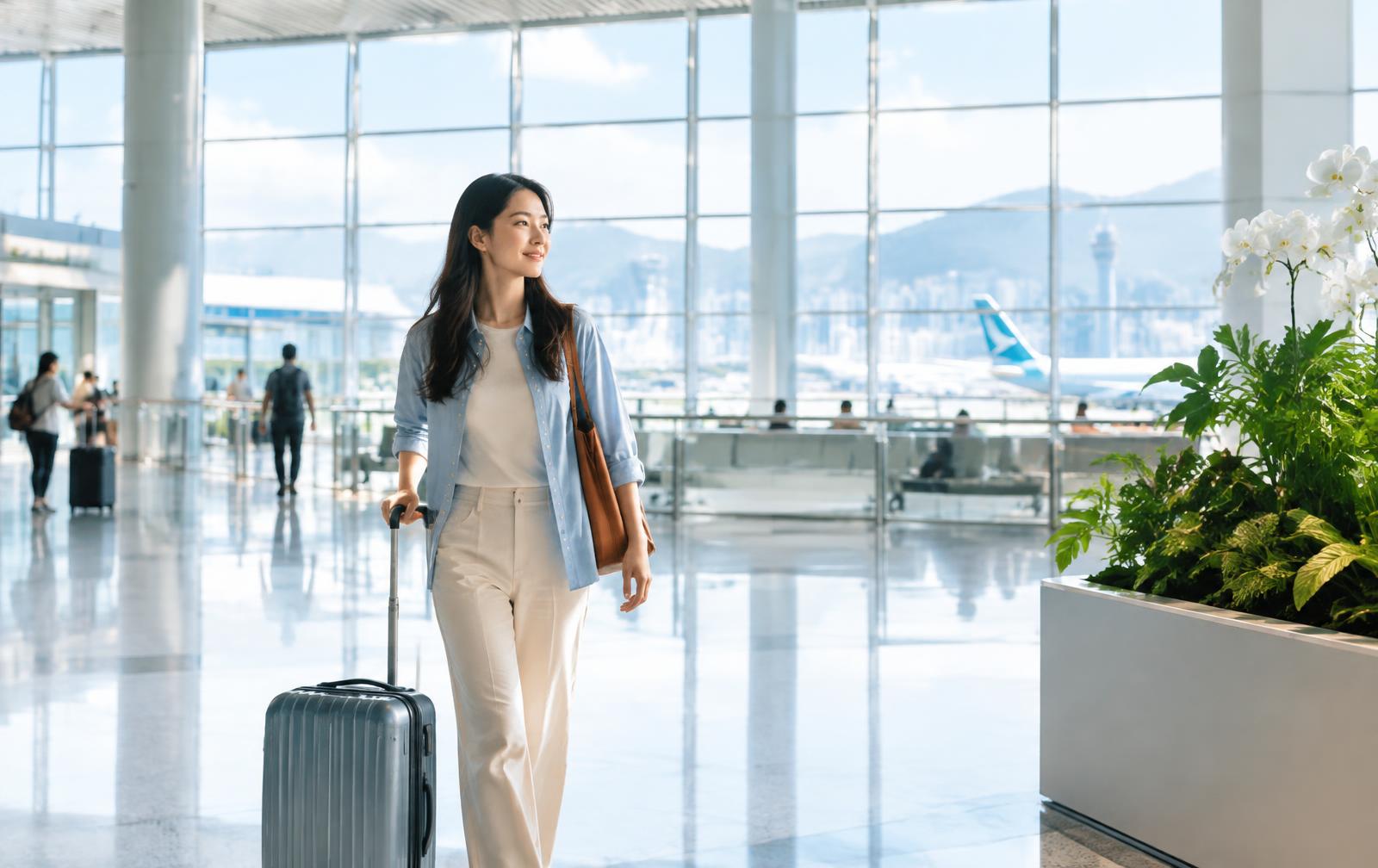
Your first day in Bangkok will probably not feel like the trip you've been picturing. It'll feel like a long flight, a bright terminal, and a lot of decisions you have to make while running on very little sleep. That's completely normal, and it's exactly why it helps to have a plan for this day specifically, separate from your plan for the rest of the trip. Get through the first 24 hours calmly and everything after tends to fall into place.
This guide walks through that day in order — immigration, money, a SIM card, getting to your hotel, checking in, and a manageable first few hours in the city. For the bigger-picture version of this advice that applies beyond Bangkok, see our general first 24 hours guide, and for what to do with your time once you're properly rested, best things to do alone in Bangkok and the full Bangkok destination guide.
Immigration and baggage
Most international flights land at Suvarnabhumi Airport (BKK), with some regional and budget carriers using Don Mueang (DMK) instead — check which one your flight uses, since it changes your transport options later. After landing, follow signs for immigration and have your passport and any required entry documentation ready. Requirements for Thailand do shift from time to time, so check the official Thai immigration or embassy website shortly before you travel rather than relying on what you read here or anywhere else months in advance.
Immigration queues can be long, particularly during peak arrival times, so budget more patience than you think you'll need. Once through, baggage claim is usually straightforward and well signed. If your bag doesn't show up, report it immediately at the airline's baggage desk before you leave the arrivals area — trying to sort this out later, from your hotel, is far more difficult.
Getting cash and a SIM card
Once you're through into the main arrivals area, two things are worth doing before you go anywhere else: getting some local currency and setting up your phone.
For cash, ATMs are available throughout the arrivals hall and generally offer a reasonable exchange rate, though they typically charge a withdrawal fee — check your own bank's foreign transaction terms before you fly so you know what to expect. It's worth withdrawing enough for your first day or two rather than making multiple withdrawals right at the airport.
For your phone, Thai SIM card counters are usually located in the arrivals area, and staff can generally get you set up with a data package within a few minutes. If you'd rather sort this before you land, an eSIM is worth setting up in advance if your phone supports it, so you land with data already working. Either way, having your own connection matters immediately — it's what makes your ride-hailing app, maps, and translation tools actually usable the moment you step outside, which matters more when you're navigating alone.
Choosing your airport transport
This is the decision that trips people up most, mainly because there are several reasonable options and no single obviously correct one. Here's how to think about it:
- Airport Rail Link (from Suvarnabhumi) or bus (from Don Mueang) — the cheapest option, connecting to Bangkok's BTS/MRT network. Good if you're traveling light, arriving at a reasonable hour, and your hotel is near a train station. Less ideal with heavy luggage or a very late-night arrival.
- Metered taxi — widely available, reasonably priced, and simple: look for the official taxi queue rather than accepting offers from people approaching you in the terminal. Ask for the meter to be used rather than agreeing to a flat fare, and be aware you'll typically also cover an airport surcharge and any expressway tolls.
- Ride-hailing app — a straightforward option if you already have data working, since you can see the price up front and avoid any language friction about your destination.
- Pre-booked private transfer — the most expensive option but the lowest-effort, with a driver waiting for you by name. Worth considering for a very late arrival, a first solo trip where you want one less decision to make, or simply peace of mind after a long flight.
For a first solo trip, there's a reasonable argument for spending a little more on either a ride-hailing car or a pre-booked transfer, purely because it removes decision-making at the point you're most tired and most unfamiliar with your surroundings. You can be more budget-conscious about transport later in the trip once you've found your feet.
Checking in — and what to do if you're early
Flights often land in the morning, which puts you at your hotel hours before standard check-in time, typically early-to-mid afternoon. Don't assume this means you're stuck waiting around: most hotels and hostels will happily store your luggage even if your room isn't ready yet, and some can offer an early check-in if a room happens to be free — it never hurts to ask politely when you arrive.
If your room isn't ready, drop your bags and use the free hours to your advantage rather than fighting jet lag in a lobby. A short walk near the hotel, a coffee somewhere air-conditioned, or a slow first look at the neighborhood are all better uses of the time than trying to force a nap in a chair. Save any serious sightseeing for once you've actually slept.
Your first meal
Don't overthink this one. Your first meal in Bangkok doesn't need to be a destination restaurant — in fact, on very little sleep, it probably shouldn't be. A nearby, busy, casual spot is usually the better call: busy tells you the food turns over quickly and is likely to be fresh, and casual means you won't have to make conversation or decisions you're not up for yet. Thai food is genuinely hard to get badly wrong at a popular local spot, and this is a good moment to let yourself have something simple and satisfying rather than ambitious.
Beating jet lag
If you've crossed multiple time zones to get to Bangkok, your body clock needs a day or two to adjust, and how you handle the first day makes a real difference to how quickly that happens.
A few things that genuinely help: get some daylight exposure if you arrive during Bangkok daytime, even just a short walk outside, since light is one of the strongest signals for resetting your internal clock. Try to hold off on a long nap if you can manage it — a short rest of an hour or so is fine, but a four-hour nap in the middle of the afternoon will make that night's sleep much harder to come by. Stay hydrated, since long flights are dehydrating and that alone can make you feel worse than the time difference does. And go easy on alcohol on your first night, tempting as a welcome drink might be — it tends to make jet lag noticeably worse.
A realistic plan for the rest of the day
Here's a version of day one that keeps things manageable without wasting the day entirely:
- Clear immigration and baggage, get cash and a SIM or confirm your eSIM is working.
- Take your chosen transport into the city, factoring in that Bangkok traffic can make journey times unpredictable.
- Check in or drop your bags, and rest briefly if you need to — but keep it short.
- Take a slow walk near your hotel to get oriented and see a little daylight.
- Have a simple, low-effort first meal nearby.
- Do one small, easy thing if you have the energy — a short stroll through a nearby market or park — but don't schedule anything that requires much focus or a lot of walking.
- Get to bed at a reasonable local time, even if you don't feel tired yet, to help your body clock reset faster.
Resist the urge to pack your first evening with plans. The travelers who enjoy Bangkok most in the following days are usually the ones who treated day one as recovery, not sightseeing. There's no prize for powering through jet lagged and cranky just to say you saw something on day one — the city, and everything on your list, will still be there tomorrow. For where to spend those fuller days once you're rested, best things to do alone in Bangkok is a good next stop, alongside the neighborhood-by-neighborhood breakdown in where to stay in Bangkok for your first solo trip if you're still finalizing where to base yourself.