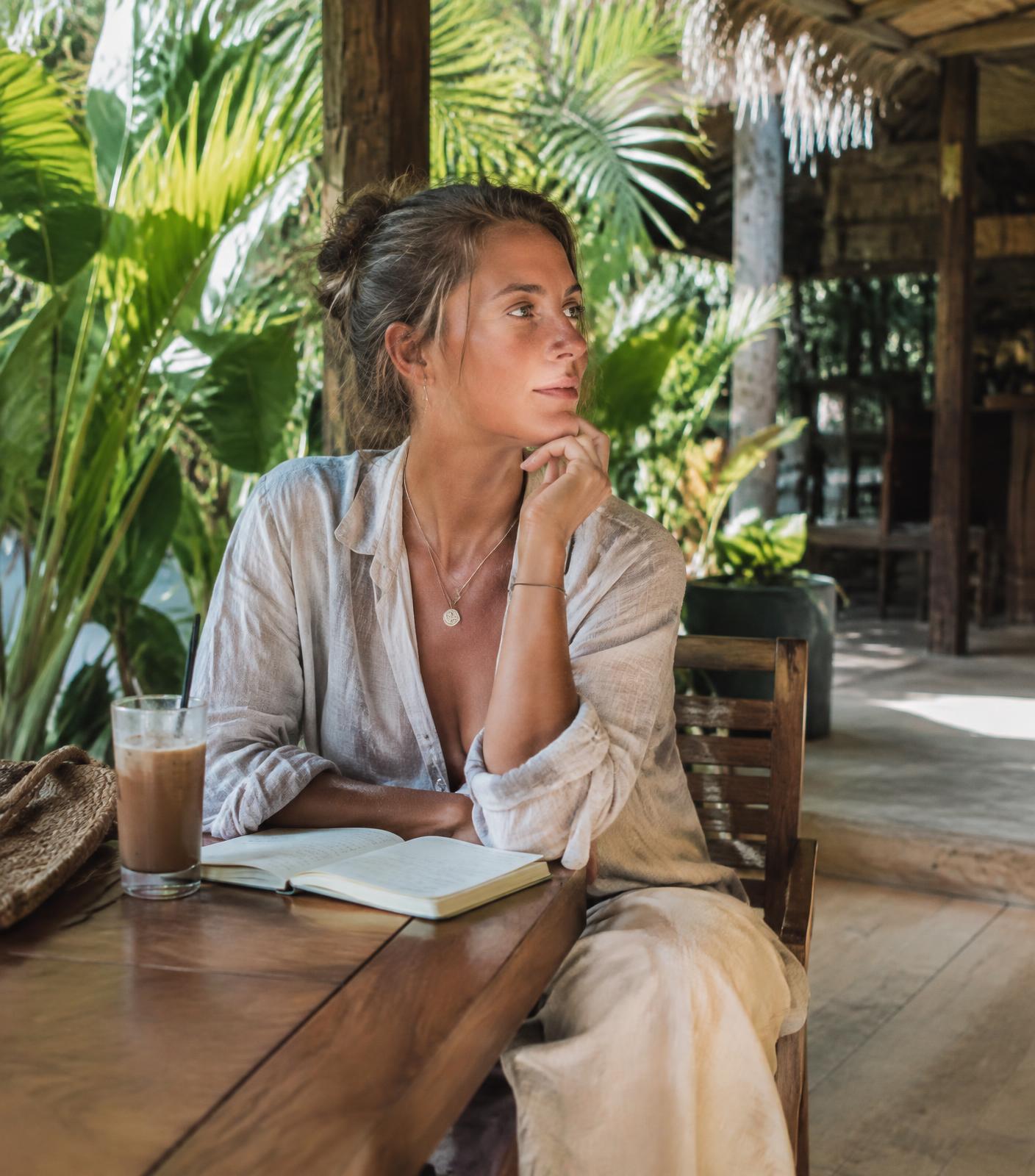
First-Time Solo Travel
How to Plan Your First Solo Trip to Thailand
The exact order to make your planning decisions in, with a rough timeline from three months out to departure week.
Read Guide
Destination guide
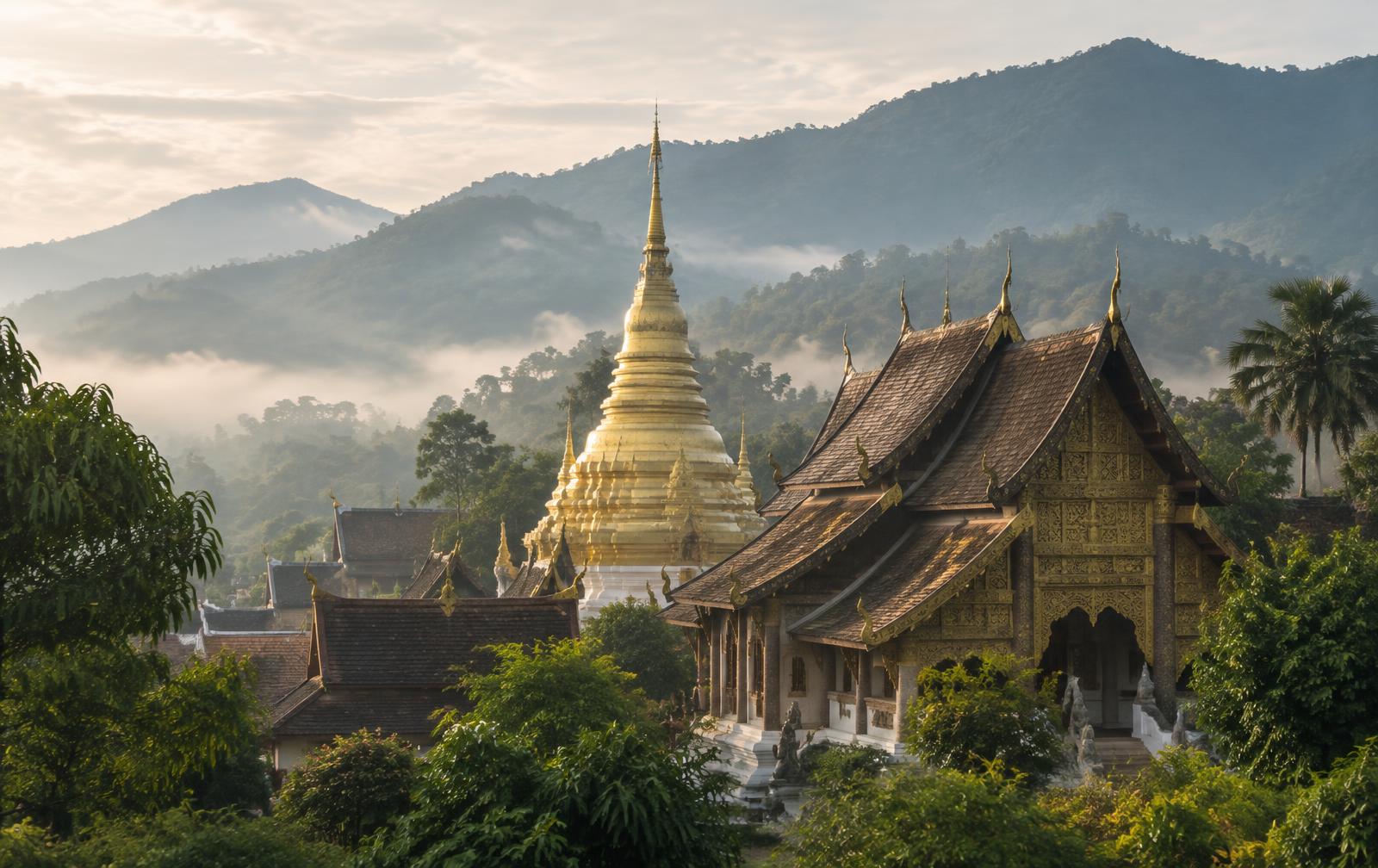
Thailand's cultural heartland, made for slow mornings and good coffee.
Chiang Mai trades Bangkok's intensity for a slower, more contemplative pace, with a walled Old City full of temples, a growing cafe scene, and mountains close enough for a day trip. It's a favorite for solo travelers who want culture and connection without the sensory overload of the capital.
Chiang Mai sits in the mountainous north, and the pace of life reflects it. Where Bangkok moves fast and Phuket and Krabi revolve around the coast, Chiang Mai is built around temples, markets, and a genuine cafe culture that's grown up around the city's long-running digital nomad community.
The Old City is compact and walled, so it's easy to explore on foot, and the wider city is small enough that you'll start recognizing streets and faces within a day or two, something that makes solo travelers feel settled faster here than almost anywhere else in the country. It's also a common stop for people slowing down mid-trip after Bangkok, or basing themselves for a week or more to take a course, volunteer, or simply decompress.
Culturally, Chiang Mai is the center of Lanna heritage, distinct from central Thai traditions, and that shows up in the architecture, the food, and festivals like Loi Krathong and Yi Peng, when the sky fills with floating lanterns. If you're building this into a wider trip, see how it fits alongside Bangkok and the south in the 14-day itinerary.
The Old City, inside the old moat and walls, is the classic first-time base, walkable, temple-dense, and full of small boutique guesthouses and cafes tucked into converted teak houses. It can be touristy in spots, but it's the easiest area for orienting yourself.
Nimmanhaemin (Nimman), west of the Old City, is the trendier, more modern side of town, this is where the specialty coffee shops, design boutiques, and co-working spaces cluster, and it's popular with longer-stay travelers and remote workers.
Riverside, along the Ping River, offers a quieter, more residential feel with some lovely small boutique hotels, a short songthaew ride from the action.
Santitham, just north of the Old City walls, is a good value-for-money option with a more local, less touristy feel while still being an easy walk from the moat.
Boutique stays are genuinely one of Chiang Mai's strengths, converted teak houses, small pools, and personal service at a fraction of what you'd pay for similar character elsewhere. For general guidance on comparing hotel and Airbnb stays across the country, see hotels vs Airbnbs, and browse curated picks on the where to stay page.
Chiang Mai has more temples per block than almost anywhere in Thailand, and they're varied enough to be worth visiting several. Wat Phra Singh and Wat Chedi Luang, both inside the Old City, are the two most significant and walkable together. Wat Doi Suthep, perched on a mountain above the city, is the essential day-trip temple, with sweeping views and a steep flight of naga-flanked stairs (or a funicular if you'd rather skip them).
Beyond temples, a half-day or full-day Thai cooking class is one of the most popular solo activities in the city, most classes include a market visit and small-group format that makes it easy to meet other travelers. Chiang Mai is also a major hub for ethical elephant sanctuaries that focus on observation and care rather than riding; do some research into how a specific operator treats its animals before booking.
For a broader look at markets, the Sunday Walking Street market along Ratchadamnoen Road is the city's best-known night market, while the Saturday Walking Street on Wua Lai Road is a slightly smaller, more local version. If you want a wider list of ideas for pacing a Chiang Mai visit, cross-reference it against the general trip planner tool.
Chiang Mai's cafe scene is one of the best reasons to slow down here. Nimman in particular has a dense cluster of specialty coffee shops, many with quiet corners that are ideal for working, journaling, or just people-watching solo with a good flat white.
On the food side, northern Thai cuisine (Lanna food) is distinct from what you'll find in Bangkok or the south, look for khao soi (a curried noodle soup), sai oua (herb-packed grilled sausage), and nam prik noom (a roasted green chili dip eaten with sticky rice and vegetables). The Old City and Chang Phuak areas have excellent, inexpensive local restaurants, and the night markets are a reliable way to sample a wide range of dishes in one sitting.
Warorot Market, the city's oldest market, is worth a wander for fresh produce, dried goods, and a slice of daily local life away from the more tourist-oriented night markets.
Chiang Mai International Airport (CNX) is a short and inexpensive tuk-tuk or taxi ride from the Old City, and it's well connected by direct flights from Bangkok, Phuket, and several other Thai cities, as well as some international routes. Overnight trains and buses from Bangkok are a slower but scenic option if you'd rather skip a flight.
Within the city, Songthaews (shared red trucks) are the traditional way to get around and are inexpensive, though routes can take some getting used to. Ride-hailing apps work in Chiang Mai too and are a reliable fallback. Many travelers rent a scooter to reach Doi Suthep or the surrounding countryside, but if you'd rather not, songthaews, ride-hailing, and organized day trips all cover the same ground, see getting around Thailand without a scooter for the full picture.
Four to five days lets you cover the Old City temples, a cooking class, Doi Suthep, and enough cafe time to feel the city's rhythm rather than rushing through it. Many solo travelers end up extending, since Chiang Mai is comfortable and inexpensive enough to settle into for a week or two, especially if you're combining sightseeing with courses, volunteering, or remote work. If you're only doing a week in Thailand overall, see the 7-day itinerary for how Chiang Mai can slot in alongside Bangkok.
Air quality in Chiang Mai dips noticeably during the burning season (roughly February through April), when smoke from agricultural burning settles over the valley, worth checking air quality reports if you're sensitive to it, or planning your visit for another season. Dress modestly for temples, as in Bangkok, and bring a light layer for evenings, since the northern climate is cooler than the coast, especially from November to February. Research elephant sanctuaries carefully before booking, and see the packing checklist if you're unsure what to bring for the cooler nights.
Where to stay
Walkable, temple-dense, and the easiest first-time base inside the historic moat.
The trendy cafe and co-working hub, popular with longer-stay travelers.
Quieter, boutique-hotel-heavy area along the Ping River.
Good value and local feel just north of the Old City walls.
Local-focused area with excellent, inexpensive northern Thai food.
Things to do
The two essential Old City temples, easily visited together.
A mountaintop temple with sweeping views over the city.
Includes a market visit and a built-in way to meet other travelers.
The city's best-known night market along Ratchadamnoen Road.
Choose an observation-focused operator and research its practices first.
A relaxed way to spend an afternoon among the city's best coffee shops.
The oldest market in the city, good for a local, less touristy browse.
If your dates align, this is one of the most memorable sights in Thailand.
First-Time Solo Travel
The exact order to make your planning decisions in, with a rough timeline from three months out to departure week.
Read Guide
Itineraries
Two weeks is the sweet spot for a first solo trip to Thailand: enough time for three bases without living out of a suitcase every other day.
Read Guide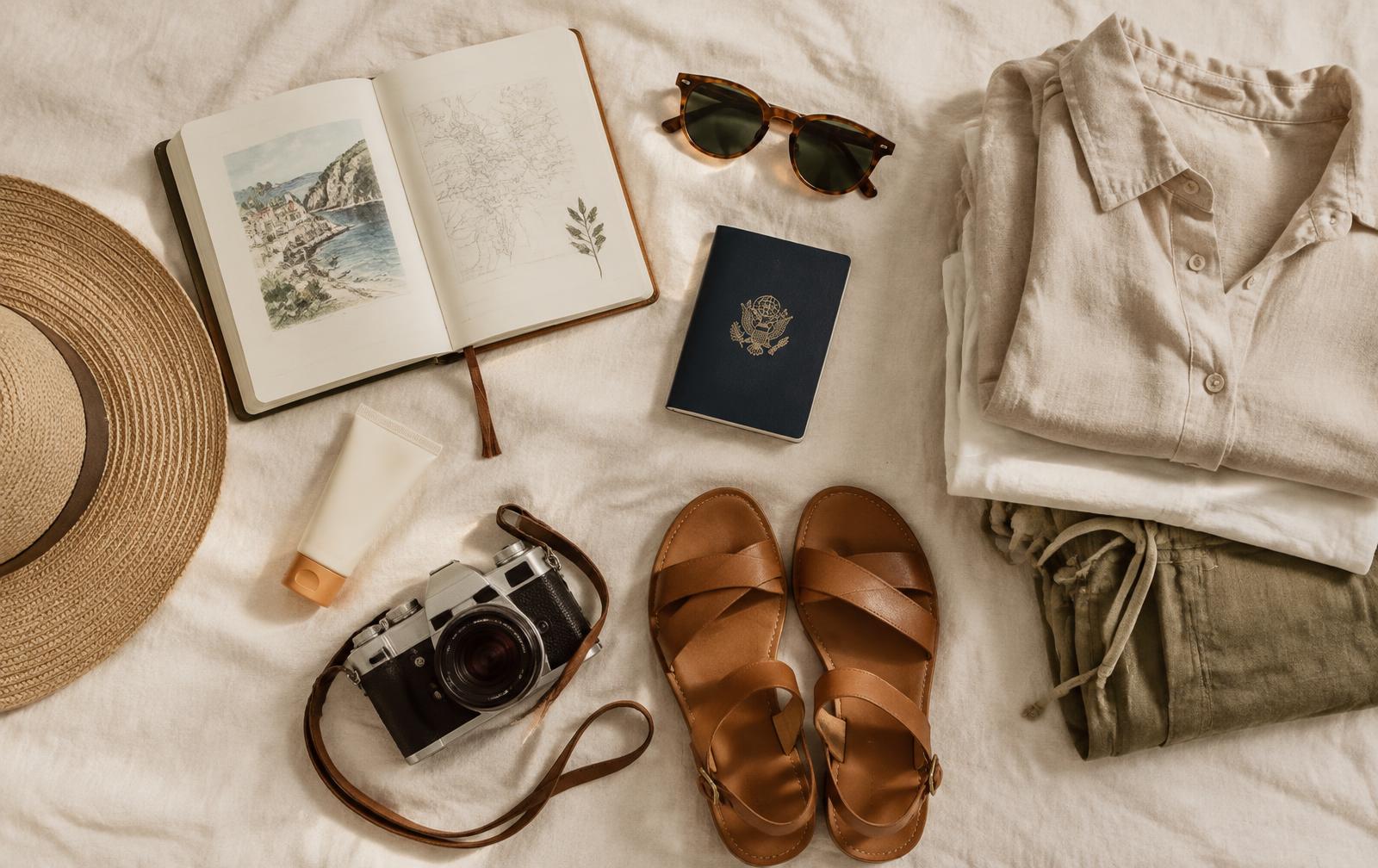
Travel Essentials
What to actually bring for Thailand's heat, temples, boat days, and long travel days — and just as importantly, what to leave home.
Read GuideBeautiful Stays
There's no universal right answer — just the right answer for this specific trip. Here's how to think it through.
Read Guide
Travel Essentials
You don't need to ride a scooter to see Thailand well. Here's how to get around comfortably and safely without one.
Read Guide