Destinations & Experiences
Best Island-Hopping Tours From Krabi
Krabi's island-hopping trips come in a handful of standard formats. Here's how they differ, what to expect, and what to check before you book.
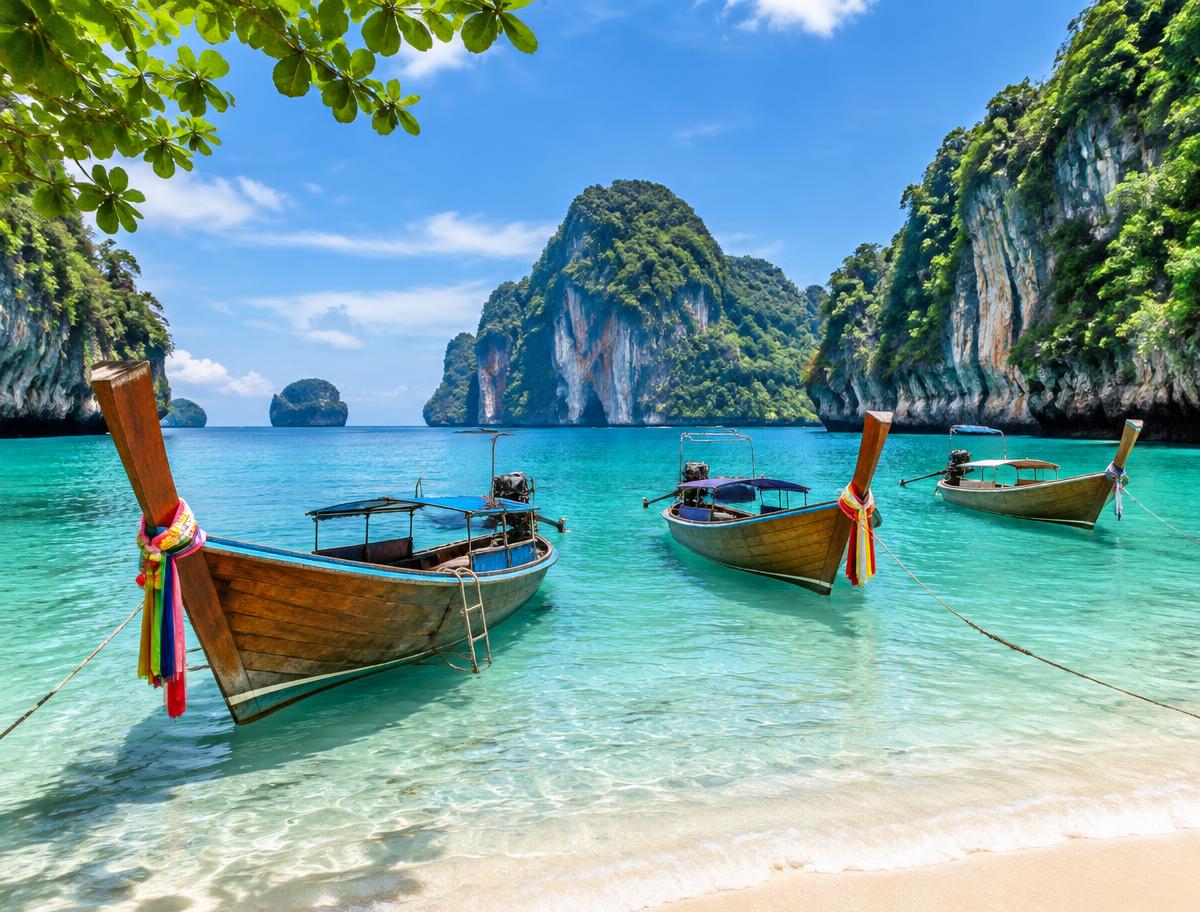
Krabi is one of the best bases in Thailand for island-hopping, mostly because of geography: it sits close to a cluster of genuinely stunning islands and lagoons, and the boat trip infrastructure here is mature enough that solo travelers can just show up, book a seat on a group tour, and be out on the water within a day or two. You don't need to arrange a private trip or find travel companions to make it work.
What follows is a rundown of the standard trip types you'll come across — not specific companies, since operators change, ratings shift, and a name that's reliable one season may not be the next. Our approach here is to name operators only when we can verify them directly, which we haven't done for this piece. Use the trip types and the checklist below to evaluate whatever's actually being offered when you're there.
The main excursion types
Four-island tours
This is the classic Krabi day trip and probably the best starting point if you're not sure what you want. It typically strings together four stops in the vicinity of Ao Nang — commonly some combination of Phra Nang Cave Beach, Chicken Island, Tup Island (and the sandbar that appears between Tup and Chicken Island at low tide), and Poda Island. It's a good mix of swimming, snorkeling, and photo stops, and it's usually the most widely available option, run on both longtail boats and speedboats.
Hong Islands tour
The Hong Islands (part of Mu Ko Hong, within Than Bok Khorani National Park) are known for a dramatic hidden lagoon enclosed by limestone cliffs, reached through a narrow channel. This tour tends to feel a notch more scenic and slightly less crowded than the four-island route, though it depends on the season and time of day you go. It's usually done as a full-day trip and often runs a bit longer on the water than the four-island option.
Phi Phi day trips
Phi Phi Don and Phi Phi Leh (home to Maya Bay) are further out and usually done as a longer full-day trip, typically by speedboat given the distance. These trips tend to be busier — Phi Phi draws boats from Phuket as well as Krabi — and Maya Bay itself has visitor restrictions and timed access rules that change periodically, so don't assume you can just wander in; check current rules before you go.
Private longtail charters
If you want a slower pace, more control over your stops, or just prefer not to be on a set schedule with a large group, chartering a longtail boat for a half-day or full day is usually possible directly from beach departure points, often with room to negotiate the route and stops. This costs more per person than joining a group tour (obviously, since you're not sharing the cost), but for a solo traveler who wants flexibility, it's worth pricing out, especially if you can find others at your accommodation interested in splitting a charter.
Speedboat vs. longtail
This is really a trade-off between speed and character. Speedboats cover more distance in less time, which matters if you're doing Phi Phi or want to combine multiple far-apart stops in one day. Longtail boats are slower and more traditional, generally used for the closer island clusters — they also tend to feel calmer and less rushed, since the itinerary usually covers fewer, closer stops.
Sunrise and late-start options
Most standard group tours depart mid-morning, but some operators offer early sunrise departures aimed at avoiding both the heat and the crowds — arriving at four-island stops or the Hong Islands before the bulk of the day's boat traffic. If you're not a morning person, some tour formats also run shorter afternoon or late-start trips, though with less time at each stop. Ask specifically about departure time if this matters to you, since listings aren't always clear upfront.
Kayaking add-ons
Several of the island and lagoon destinations, particularly around the Hong Islands and Ao Thalane (a mangrove area near Krabi Town), are suited to kayaking, and some tours offer it as an add-on or a dedicated half-day trip. It's a good solo activity in its own right — self-paced, quiet, and doesn't require coordinating with anyone else's pace.
Where trips depart from
Krabi's island trips leave from a few different points, and which one you're near affects both convenience and which islands are quickest to reach:
- Ao Nang is the main tourist hub and departure point for the widest range of tours, with the most operators and options.
- Railay (accessible only by boat, tucked behind limestone cliffs) also runs its own island trips, often slightly smaller-scale, and is popular for its own beaches and rock climbing.
- Nopparat Thara pier is a common departure point for Hong Islands and other national-park-area trips.
- Klong Muang, further north, tends to serve nearby resorts directly and may have fewer options.
If you're staying in Ao Nang, most tours will include hotel pickup; if you're in Railay, check whether your tour departs from there directly or requires a transfer first.
Trip length and seasonality
Most standard tours run either half-day (roughly four hours) or full-day (six to eight hours) formats. Four-island tours are commonly offered as either; Hong Islands and Phi Phi trips tend to be full-day given the extra distance.
Krabi has a clear high season (roughly November to April) when seas are calmer and trips run more predictably, and a monsoon season (roughly May to October) when conditions are rougher, some routes are suspended, and certain islands or national park areas may close entirely for conservation reasons. If you're traveling in the shoulder or monsoon months, build in flexibility — ask your accommodation what's actually running that week rather than assuming a tour listed online is currently operating.
National park fees
Many of these islands fall inside national marine parks (Mu Ko Phi Phi, Than Bok Khorani, and others), which charge an entrance fee, generally collected either as part of your tour cost or separately at the pier. Check whether the fee is included in the price you're quoted — it's a common source of "why is this cheaper than the other one" confusion between competing tour listings.
What to check before booking
A little due diligence here goes a long way, especially traveling solo when you're relying entirely on the operator's judgment about conditions and safety.
- Boat type — speedboat or longtail — and whether that matches what you actually want from the day
- Group size — ask directly; listings don't always specify, and a "small group" tour can still mean twenty people
- Life jackets — should be provided and required, especially for speedboat trips; if they're not offered, that's a red flag
- Insurance — confirm the operator carries appropriate coverage; this is hard to verify from outside Thailand, so lean on recent traveler reviews for signals
- Cancellation policy — weather cancellations are common in shoulder season; know whether you get a refund, reschedule, or nothing
- Pickup details — confirm the pickup point and rough time window the night before, since early departures can mean easy-to-miss hotel pickups
What to bring
Reef-safe sunscreen, a hat, a dry bag or waterproof phone pouch, water, and cash in small denominations for park fees or extras not included in the tour price. Bring a light cover-up for the boat ride, since sun exposure on open water is stronger than it feels. Motion sickness tablets are worth having if you're prone to it and know you're on a speedboat that day.
Reef and wildlife etiquette
Several of these stops sit within marine protected areas, and the basics matter: don't touch or stand on coral, don't feed fish, keep a respectful distance from any wildlife you encounter, and pack out anything you bring in. Reef-safe sunscreen isn't just a nice-to-have — regular sunscreen contributes to coral damage at the scale these islands see visitors, so it's worth the switch even for a single day trip.
Putting it together
If you're only doing one trip from Krabi, a four-island tour is the easiest, most flexible starting point and works well solo since it's a set group format with no logistics to manage yourself. If you have more time, pairing that with a Hong Islands trip on a different day gives you a good sense of the range of scenery without repeating yourself. Phi Phi is worth it if you specifically want to see Maya Bay, but go in knowing it's a longer day and a busier stop.
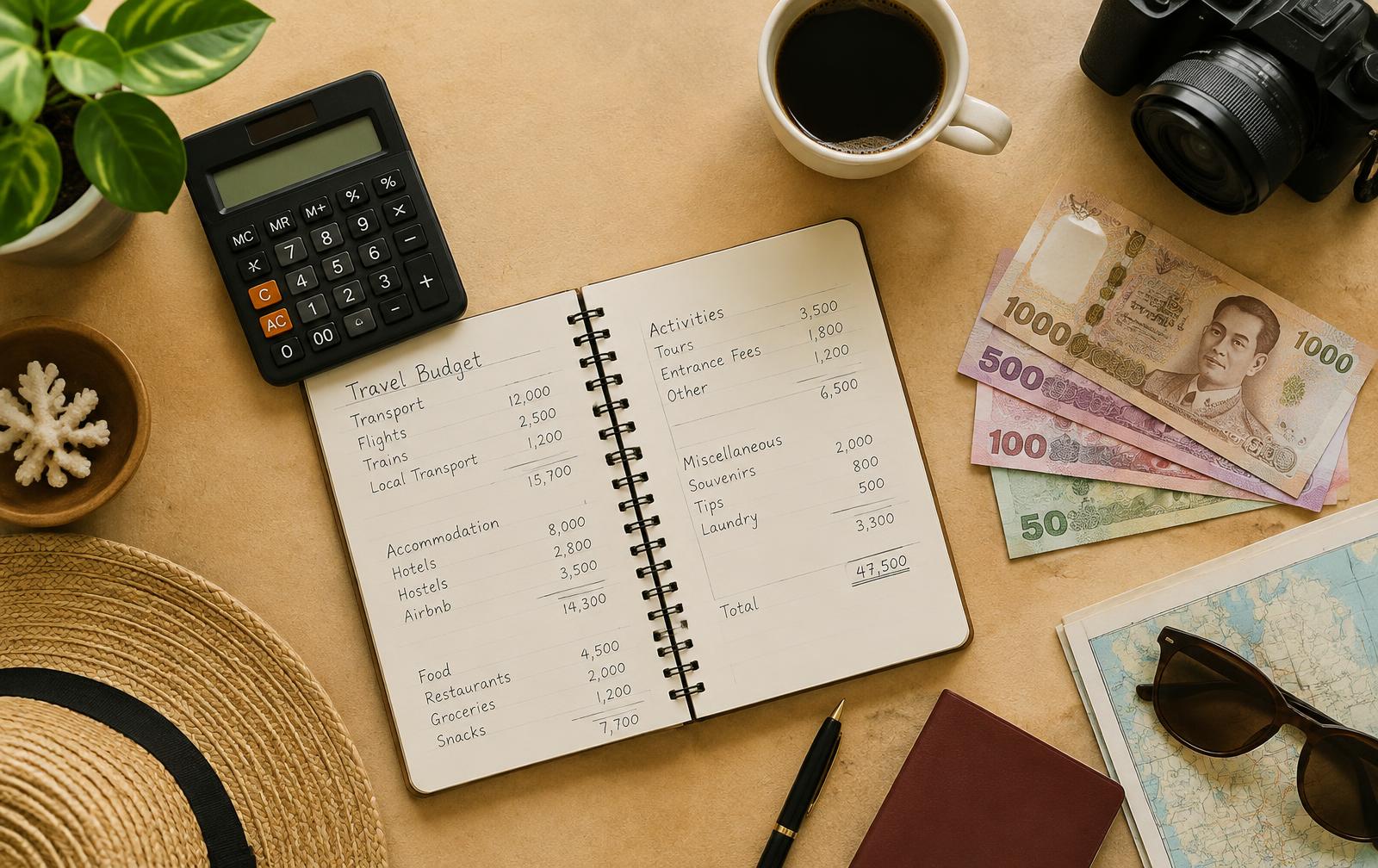
For help fitting a Krabi stop into a longer trip, see our 7-day solo Thailand itinerary, and check our Thailand solo travel budget guide for how boat trip costs typically compare to the rest of a Thailand trip. Our packing checklist also covers what's worth bringing specifically for boat days.